

Foxy Saltwater Tropicals
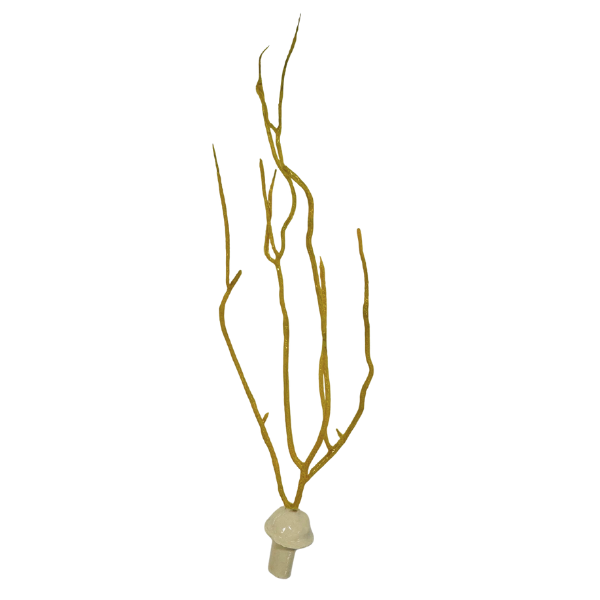
Colorful Sea Whip
Colorful Sea Whip
Couldn't load pickup availability
Colorful Sea Whip (Leptogorgia virgulata)
Common Name: Colorful Sea Whip
Scientific Name: Leptogorgia virgulata
Type: Non-photosynthetic gorgonian (soft coral)
Lighting: Low to moderate lighting is recommended. Since this species does not rely on photosynthesis, intense lighting is unnecessary and may encourage nuisance algae growth.
Water Flow: Medium to strong, indirect water flow is essential. Consistent flow helps deliver food to the coral and prevents detritus and algae from accumulating on the branches.
Water Temperature: Maintain water temperatures between 72–78°F (22–26°C).
Feeding: Leptogorgia virgulata is non-photosynthetic and requires regular feeding to thrive. Feed 3–7 times per week with a variety of appropriately sized foods, including:
- Phytoplankton
- Fine zooplankton
- Rotifers
- Copepods
- Liquid coral foods
- Marine snow–type products
Target feeding is beneficial and can improve growth and polyp extension, although broadcast feeding may also be effective in nutrient-rich systems.
Algae Prevention: Algae growth on the branches can smother tissue and reduce feeding efficiency. Prevent algae buildup by:
- Maintaining strong, turbulent water flow
- Keeping nitrate and phosphate levels under control
- Avoiding excessive lighting
- Increasing flow if algae appears rather than brushing the coral, which can damage tissue
Supplements: Benefits from stable reef water chemistry:
- Calcium: 380–450 ppm
- Alkalinity: 8–10 dKH
- Magnesium: 1250–1350 ppm
Trace elements such as iodine, strontium, and other minor elements may support overall health and growth but should only be dosed carefully and tested regularly.
Reproduction:
- Asexual reproduction occurs through branching and fragmentation.
- Detached branches may attach to suitable surfaces and develop into new colonies.
- Sexual reproduction is uncommon in home aquariums.
- Fragging can be performed by experienced hobbyists using clean, sharp cutting tools and proper post-frag care.